Understanding gambling addiction recovery A path to renewal
Defining Gambling Addiction
Gambling addiction, often referred to as compulsive gambling or gambling disorder, is a behavioral addiction characterized by an uncontrollable urge to gamble despite the negative consequences it may bring. Individuals with this addiction often find themselves preoccupied with gambling activities, leading to financial, emotional, and social issues. Unlike occasional gambling, which can be a fun recreational activity, gambling addiction manifests as an obsession that can disrupt daily life. Exploring platforms such as Slotoro can enhance the gaming experience while promoting responsible play.
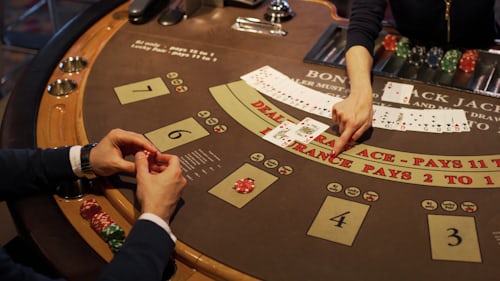
Understanding the psychological aspects of gambling addiction is crucial for recovery. Many gamblers believe that they can recover their losses, fueling a cycle of harmful behavior. This belief, combined with the thrill of winning, keeps them trapped in a cycle of highs and lows, making it increasingly difficult to break free without support.
The Signs and Symptoms of Gambling Addiction
Recognizing the signs of gambling addiction is the first step toward recovery. Symptoms can vary from person to person but often include spending excessive time gambling, lying about gambling habits, and neglecting responsibilities at work or home. Financial distress is another common indicator, as many individuals may incur debt or engage in illegal activities to fund their gambling habits.
Emotional symptoms can also be prevalent, including feelings of guilt, anxiety, or depression related to gambling. Understanding these signs is critical for individuals and their loved ones, as early intervention can significantly improve the chances of successful recovery.
Steps to Recovery from Gambling Addiction
Recovery from gambling addiction typically involves a multifaceted approach, beginning with self-awareness and acknowledgment of the problem. Many individuals find it helpful to participate in support groups, such as Gamblers Anonymous, where they can connect with others facing similar challenges. These groups provide a sense of community and accountability, which are vital for sustaining recovery.
In addition to peer support, many recovering gamblers benefit from professional counseling or therapy. Cognitive-behavioral therapy (CBT) is often effective, helping individuals identify and change negative thought patterns related to gambling. Developing coping strategies and finding healthier outlets for stress can also aid in the healing process.
The Role of Family and Friends in Recovery
The support of family and friends is essential in the journey toward recovery from gambling addiction. Loved ones can play a significant role by offering encouragement, understanding, and patience. Open communication about the addiction and its impact can foster a supportive environment, making recovery more manageable.
It is crucial for family members to educate themselves about gambling addiction to provide informed support. By understanding the challenges their loved one faces, they can better assist them in their recovery journey. Additionally, family therapy may be beneficial, addressing the effects of gambling on relationships and helping to rebuild trust.
Finding Support through Online Platforms
In today’s digital age, online resources can provide invaluable support for those struggling with gambling addiction. Various websites offer information, forums, and even virtual therapy options tailored for individuals seeking help. These platforms create a safe space where individuals can share their experiences and strategies for recovery without fear of judgment.
For those exploring online options, it’s important to find a reputable site that prioritizes user safety and confidentiality. Engaging with a community that understands the complexities of gambling addiction can reinforce the recovery process and provide ongoing motivation for individuals on their path to renewal.